
Tees Valley Lakes • Welfare First
Carp Care & Safety Guide
CARP CARE BASICS
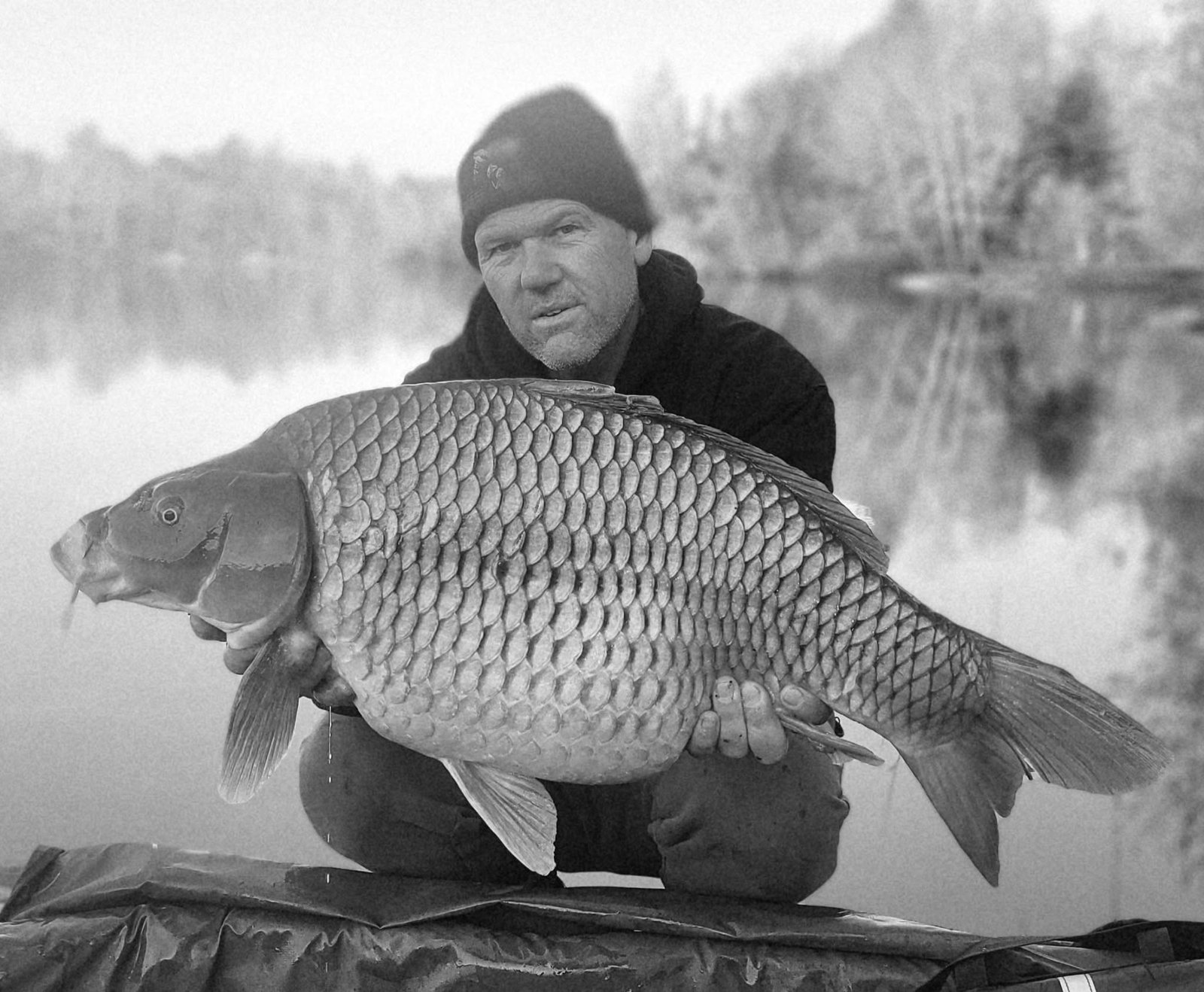
Good Practice: How to Hold Carp Safely
VIEW HANDLING GUIDE PROPOLIS TREATMENT GUIDE ZERO SCALES GUIDE
Bad Practice: What to Avoid
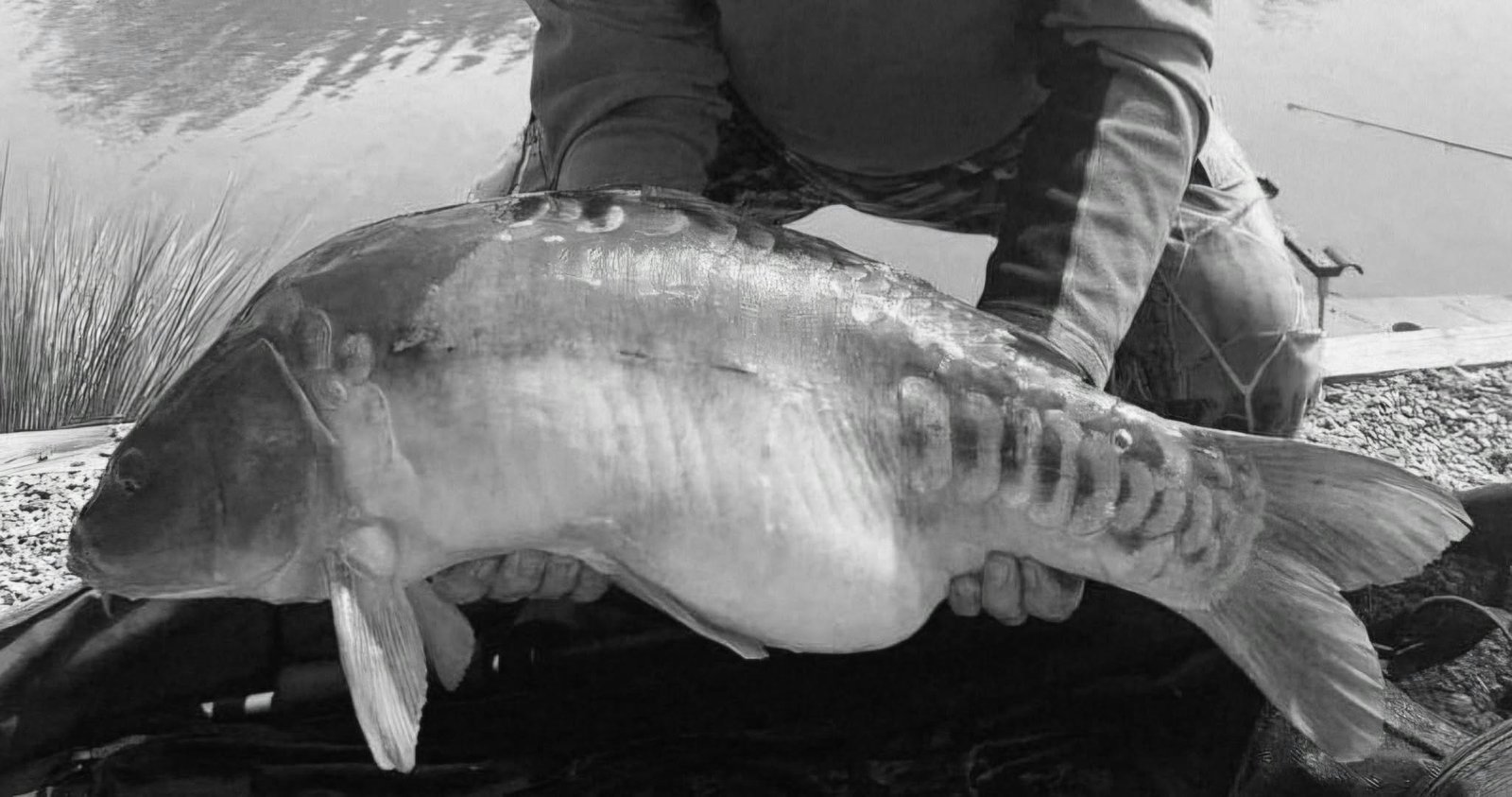
CRITICAL RISK FACTORS
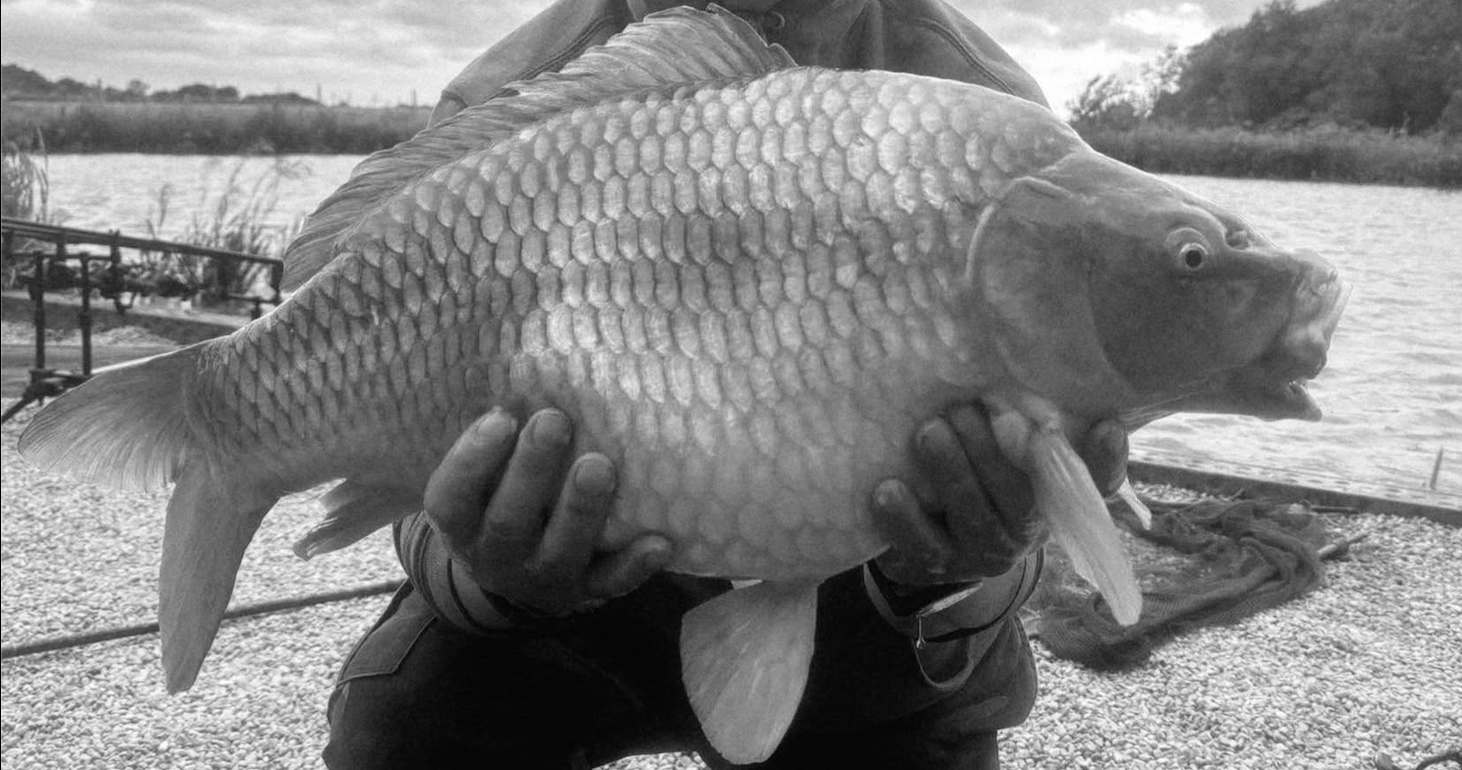
Step-by-Step Safe Handling Protocol
STAGE
ACTION PROTOCOL
KEY SAFETY REASONS
1. The Lift
Roll the landing net down to the fish while it's still in the water, ensuring all fins are tucked flat against its body. Slide it into a wet retention sling before lifting.
Prevents the carp from "buckling" under its own weight, which breaks fins. Sling protects carp whilst carrying to mat.
2. On the bank
Immediately soak the unhooking mat with cool lake water. Remove any personal jewelry or watches. Refill water bucket with fresh lake water to wet carp.
Dry mats remove the fish's protective slime coating; jewelry can slice the skin. Carp must be kept wet whilst on the bank, Water washes off any debris for cleaner pictures.
3. Unhooking
Keep a steady angle to gently push the hook backward along the original point of entry. Because there is no barb, it should slide out smoothly with minimal pressure.
Barbless hooks often release when under no pressure as the carp rests in the landing net, and in the event of a line break, the carp can safely eject the hook.
4. Photography
Always remain kneeling. Keep the carp low to the mat and close to your body. Support the fish horizontally with one hand under the head/pectoral fin and the other supporting the anal fin.
If the fish flaps, you can safely roll it back onto your forearms and lower it a few inches back to the padded mat rather than dropping it from a fatal height.
5. The release
Carry the fish back to the water inside the zipped weigh sling—never in your bare hands. Hold the fish upright in the water until it swims away under its own power.
Ensures the fish is fully oxygenated and recovered before it is left on its own.
Watch our carp care video
To safely treat a hook hold on a carp using Propolis, follow these steps:
Prepare equipment: Propolis treatment, bucket of clean lake water and a small dry towel are required.
Unhook the fish: Place the carp safely on the wet, padded unhooking mat. Gently remove the hook from the mouth.
Dry the hook hold: Use a clean, dry cloth, towel, or tissue to carefully dab and dry the hook hold only inside the carp's mouth so the Propolis will stick properly.
Apply the Propolis: Dab or spread a small, thin amount of liquid Propolis directly over the dry hook hold using the dropper bottle. Avoid getting the product into/near the fish's eyes or gills.
Activate the waxy seal: Splash or add a small amount of clean lake water from a bucket over the Propolis. The water reacts with the Propolis to form a hard, waterproof waxy seal that protects the wound.
Wait for it to set: Allow a few seconds for the seal to set before moving the fish.
Return the fish: Return the carp to water using sling, ensure sides are zipped up, Support the carp in the water inside the sling, keeping it upright until it has recovered its strength and kicks away under its own power.
Zeroing Scales and Weighing Protocol (Weigh Posts)
Using a ground-set weigh post offers the ultimate stability, eliminating the risk of a tripod slipping or a handheld bar dropping. Follow this sequence for the safest workflow:
Position Your Mat First: Always position your unhooking mat or cradle directly beneath or immediately adjacent to the weigh post before you begin.
Wet the Sling: Fully submerge your weigh sling in the lake and let the excess water drain off for a few seconds.
Hang and Zero: Hang your empty, wet sling onto the scales, hook them onto the weigh post crook, and turn on your digital scales (or adjust the dial) until the display reads 0.00. This completely deducts the weight of the wet fabric.
Secure the Carp: Transfer landing net (broken down) into the sling and lift to unhooking mat. Remove hook and landing net from sling ensuring side zips are closed completely.
The Post Lift: Hang the sling's handles onto the scale hook on the weigh post.
Exact Weight: Take the steady reading immediately and you have the exact weight of that carp. Then unhook the sling and lower the fish straight back down into the center of the mat.
Final Steps: Take Photo’s, Treat hook holds and any skin/scale damage with PROPOLIS carp care treatment.
Safe Return: Return the carp to water using sling, ensure sides are zipped up, Support the carp in the water inside the sling, keeping it upright until it has recovered its strength and kicks away under its own power.